
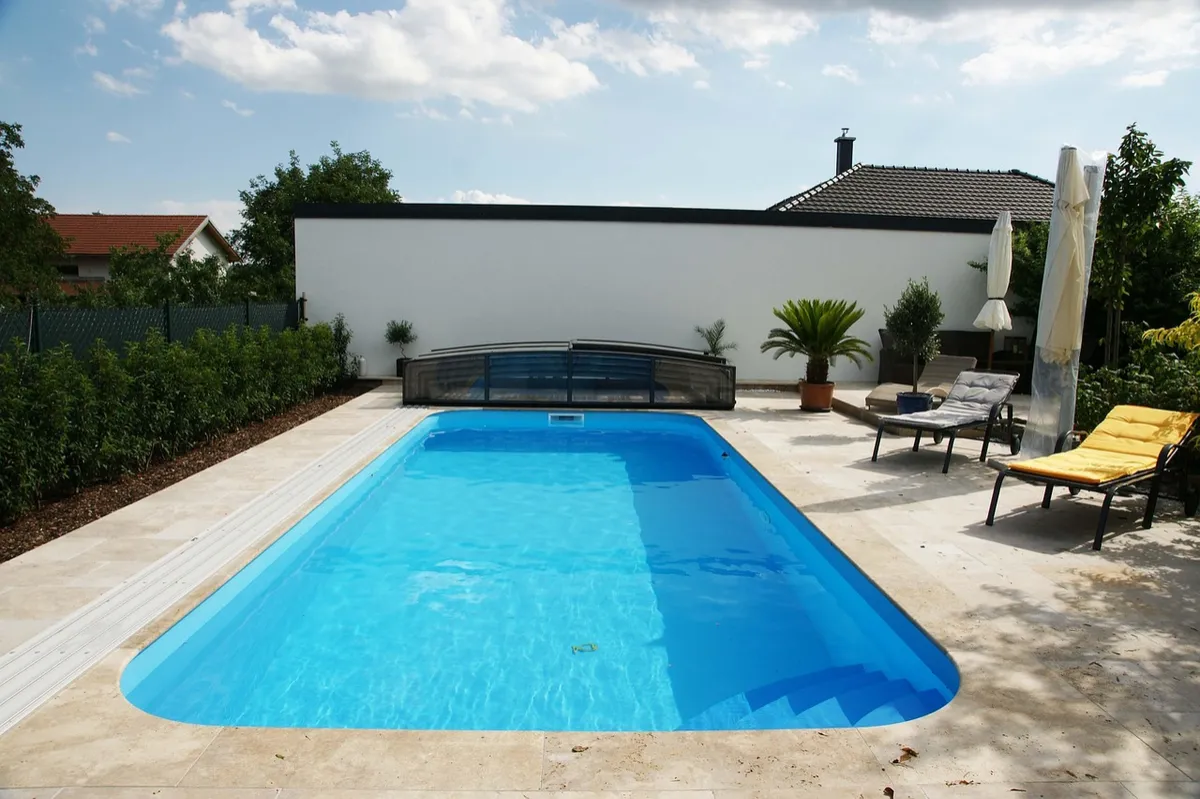
Buying a Home With a Pool in North Phoenix: Inspection, Insurance & Budget
The short answer
Buying a home with a pool in Arizona is very doable with conventional, FHA, or VA financing, as long as the pool is working, structurally sound, and fenced to code. The keys are a dedicated pool inspection on top of your regular home inspection, an insurance quote before you finalize your offer, and a realistic monthly budget for service, chemicals, and power. In North Phoenix, plan on the pool being part of your total cost of ownership, not just part of the price.
Quick facts: pool homes in North Phoenix
Area: North Phoenix, roughly north of Piestewa Peak up toward Anthem, I-17 to the Scottsdale border (zips include 85028, 85032, 85022, 85024, 85050, 85054, 85083, 85085, 85086)
Typical pool homes: single-level ranch homes in Paradise Valley Village and Moon Valley, master-planned resale homes in Desert Ridge, Norterra, and Tatum Ranch
Pool service in Phoenix: roughly $100 to $376 per month depending on pool size and service frequency (Angi, 2026)
Barrier rules: Arizona statute A.R.S. 36-1681 plus City of Phoenix and local codes set fence, gate, and latch standards
Big-ticket items: pump replacement around $1,500 to $1,800; resurfacing about every 10 to 15 years, roughly $8,000 to $15,000 (varies by source)
2026 Maricopa County conforming loan limit: $832,750
I live in 85028, and if you drive any North Phoenix street from Cave Creek Rd to Tatum Blvd and peek over the back walls, you will see a lot of blue. Pools are part of life here. I also own a SunTracker pontoon that I launch at Saguaro Lake or Bartlett Lake, so I get asked all the time: "Peter, do I really need a pool if I have the lake?" My honest answer is that they are two different kinds of summer. The lake is a day trip with a cooler and a trailer. A backyard pool is a ten-minute dip after work in August when it is still 105 at 8 p.m. Both are great. Both cost money beyond the purchase price.
After 25 years in mortgage, I can tell you the pool almost never kills a deal. What kills deals is surprises: a cracked shell found after the inspection window closed, an insurance quote nobody expected, or a gate that doesn't latch the day before the appraisal. This guide walks you through the process the way I'd walk a client through it, start to finish.
Buying a home with a pool in Arizona: what changes in the process?
The steps are the same as any purchase: get pre-approved, shop, write an offer, inspect, appraise, close. A pool adds three checkpoints along the way.
Inspection: a pool-specific inspection during your inspection period.
Insurance: a homeowners insurance quote that includes the pool and enough liability coverage.
Appraisal: the appraiser notes the pool's condition and, depending on the loan type, may flag safety or repair items.
If you handle those three early, buying a pool home in Phoenix, AZ feels no different from buying any other home. If you skip them, they tend to show up at the worst possible moment.
Do I need a separate pool inspection in Phoenix?
In my experience, yes. When you're buying a home with a pool in Arizona, a general home inspector will usually glance at the pool, but a pool inspection in Phoenix from someone who specializes in pools goes deeper. Equipment problems are one of the most common gaps buyers run into after closing.
What a pool inspection should cover
Shell and surface: cracks, chips, rough plaster, staining, and signs of settling or heaving.
Equipment: pump, motor, filter, valves, heater if there is one, salt cell on saltwater pools, and any automation system.
Plumbing and leaks: water loss beyond normal evaporation can point to a leak in the lines or shell.
Electrical and lighting: bonding, GFCI protection, and pool lights.
Deck and coping: cracks, lifting, and trip hazards.
Barrier: fence height, gaps, and whether gates self-close and self-latch.
Ask for the age of the pump and the date of the last resurfacing. Those two answers tell you a lot about what your first few years of ownership will cost. If something big turns up, that's what your inspection period is for: negotiate a repair, a credit, or a price adjustment before you move forward.
Arizona pool barrier law when buying a home with a pool
Arizona's residential pool barrier statute, A.R.S. 36-1681, sets baseline standards for pool enclosures, and the Arizona Department of Health Services publishes a pool safety notice explaining them. The state standard calls for things like an enclosure at least five feet high, no openings a 4-inch object can pass through, and gates that open outward from the pool and are self-closing and self-latching with the latch at least 54 inches above the ground (or on the pool side, per the statute's options). The state also requires that pool owners receive the legal requirements and the safety notice.
Here's the part buyers miss: local codes can be equal to or stricter than the state rule. The City of Phoenix and neighboring cities each have their own requirements, so check with the city where the home sits. If the fence or gate isn't up to code, that is an easy, relatively inexpensive fix to negotiate during escrow, and it matters for the appraisal on some loan types.
Can I use an FHA or VA loan to buy a house with a pool?
Yes. A pool does not disqualify a home from FHA, VA, or conventional financing. What matters is condition and safety.
FHA loan pool requirements
FHA appraisers look at the home's structural and exterior condition, and pools and fencing are part of that review. In practice, a pool with green water, broken equipment, or a missing barrier can lead to a required repair before closing. If you're comparing loan types for a starter home, I break down the tradeoffs in my post on FHA vs. conventional loans in North Phoenix.
VA loan pool requirements
VA appraisers generally defer to local building codes on barriers and look for a pool that is clean, circulating, structurally sound, and fenced with a proper self-closing gate. A drained, cracked, or abandoned pool can trigger a condition. If you're a veteran shopping in the Valley, my guide to VA home loans in North Phoenix covers the rest of the process.
Conventional loans
Conventional appraisals are usually more flexible on minor cosmetic issues, but an appraiser will still note the pool's condition and how it affects value. Whatever the loan type, the fix is the same: inspect early, clear the water, and make sure the gate latches before the appraiser shows up.
How much does a pool cost to own in Phoenix?
This is where buyers get surprised, the same way first-time boat owners do. When I bought my pontoon, the purchase price was the easy part. Then came the trailer, registration, storage, fuel, and the first repair. A pool works the same way. Here are typical ranges for pool maintenance cost in Phoenix from recent local sources (costs vary by pool size, equipment, and provider):
Professional pool service: about $100 to $376 per month in Phoenix, depending on size and frequency (Angi).
Chemicals if you DIY: roughly $50 to $100 per month (Shasta Pools).
Pump electricity: roughly $35 to $100 extra per month in swim season (Shasta Pools). Variable-speed pumps can help.
Repairs and equipment wear: about $200 to $800 per year (Angi).
Pump replacement: about $1,500 to $1,800 (Shasta Pools).
Resurfacing: every 10 to 15 years, roughly $8,000 to $15,000 (Shasta Pools).
Monsoon season adds its own line item. Dust storms and debris mean extra cleaning, and hard Valley water can add to chemical needs. For the full picture, including property taxes, HOA dues, and summer power bills, see my guide to the true cost of owning a home in North Phoenix.
Homeowners insurance with a pool in Arizona
If you're buying a home with a pool in Arizona, expect the pool to add something to your homeowners premium. Many insurance pros recommend higher liability coverage, often in the $300,000 to $500,000 range, either through your policy or an umbrella policy. Some carriers also ask about fencing, diving boards, and slides.
My advice: get a real insurance quote on the specific address while you're still in your inspection period. Your homeowners insurance is part of your housing payment, and I'd rather we see the true number before you're locked in than after. Insurance costs vary by carrier, home age, roof, and coverage, so shop it.
Budgeting for a North Phoenix home with a pool
When we sit down to talk about how much house you can afford, I want the pool in the budget conversation from day one. Here are the budgeting categories I walk through with clients buying a pool home in North Phoenix:
Purchase price and loan size: where the home lands relative to the 2026 Maricopa County conforming limit of $832,750 affects which loan options fit.
Housing payment pieces: principal, interest, property taxes, homeowners insurance (with the pool), and HOA dues if any.
Pool operating costs: service or chemicals plus pump electricity.
Repair reserve: money set aside for the pump, filter, and eventually resurfacing.
Cash to close: down payment, closing costs, and reserves.
I won't throw out a generic payment estimate here, because your real number depends on your credit, loan type, and the specific home. Let's run your real numbers. If you want a head start, my post on how much house you can afford in North Phoenix walks through the framework.
If cash to close is the hurdle, there are low down payment options for qualified buyers. As an independent mortgage broker with access to 180+ wholesale lenders, I also have access to multiple lender-sponsored down payment assistance programs, including forgivable options for qualified buyers. Terms and eligibility vary by program, and I'll tell you honestly whether one fits your situation.
Is a pool worth it when buying in North Phoenix?
In hot-climate markets, buying a home with a pool in Arizona often makes sense because a pool can add value, though how much varies a lot by neighborhood, pool condition, and the rest of the home. One lender-affiliated source puts the typical range in Arizona at around $15,000 to $40,000, but your appraiser will look at comparable sales on your street, not a national rule of thumb.
The bigger question is lifestyle. North Phoenix keeps you close to a lot: Loop 101 and SR-51 get you across the Valley, and you can be at Saguaro or Bartlett Lake in well under an hour. Some of my clients want the backyard pool. Others would rather have an RV gate and room for the boat, and I wrote about those in my guide to North Phoenix homes with RV gates and boat storage. Some want both. Knowing which camp you're in helps narrow the search fast. For the bigger-picture process, start with my guide to buying a home in North Phoenix.
FAQ: buying a house with a pool in Phoenix, AZ
What should I know before buying a home with a pool in Arizona?
Get a dedicated pool inspection, confirm the fence and gate meet Arizona and local city code, and get a homeowners insurance quote that includes the pool before your inspection period ends. Then budget for monthly service, chemicals, pump electricity, and a repair reserve. Those steps prevent most pool-related surprises.
Can you get an FHA loan on a house with a pool?
Yes. FHA appraisers review pools and fencing as part of the home's exterior condition. A pool that is unsafe, not working, or missing a proper barrier may need repairs before closing, but a well-kept pool is not a problem.
Does a VA loan allow a house with a pool?
Yes. VA appraisers generally check that the pool is clean, circulating, structurally sound, and fenced to local code with a self-closing, self-latching gate. A drained, cracked, or abandoned pool can trigger a repair condition.
How much does pool maintenance cost in Phoenix?
Recent estimates put professional pool service in Phoenix at roughly $100 to $376 per month, depending on pool size and how often it's serviced. Add pump electricity in summer and a reserve for repairs. Costs vary by source and provider.
Is a pool fence required in Arizona?
Arizona's pool barrier statute, A.R.S. 36-1681, sets standards for pool enclosures and gates, and cities like Phoenix can set equal or stricter rules. Check with the city where the home is located. A noncompliant fence or gate is usually an inexpensive fix to negotiate during escrow.
Does a pool raise homeowners insurance in Arizona?
Usually somewhat, and many insurance pros recommend raising liability coverage to the $300,000 to $500,000 range. The impact varies by carrier and home, so get a quote on the specific address before you're locked into the purchase.
Shopping for a pool home in North Phoenix?
I'm a local, independent mortgage broker who handles every file personally, start to finish. Let's run your real numbers, pool included, before you write that offer.
Data sources: Arizona Department of Health Services Residential Pool Safety Notice (A.R.S. 36-1681); Angi Phoenix pool maintenance cost guide (2026); Shasta Pools, "True Cost of Owning a Swimming Pool in Phoenix" (2025); VA Loan Network pool requirements (2026); Freedom Mortgage FHA appraisal overview (2026); FHFA 2026 conforming loan limits. Cost figures are estimates and vary by provider and property.
Peter Seroter / Optimized Home Loans | Powered by Barrett Financial Group
NMLS# 997692 | Company NMLS# 181106
2701 E Insight Way, Suite 150, Chandler, AZ 85286
This is not a commitment to lend. All loans subject to credit approval and program guidelines. Equal Housing Opportunity.
