
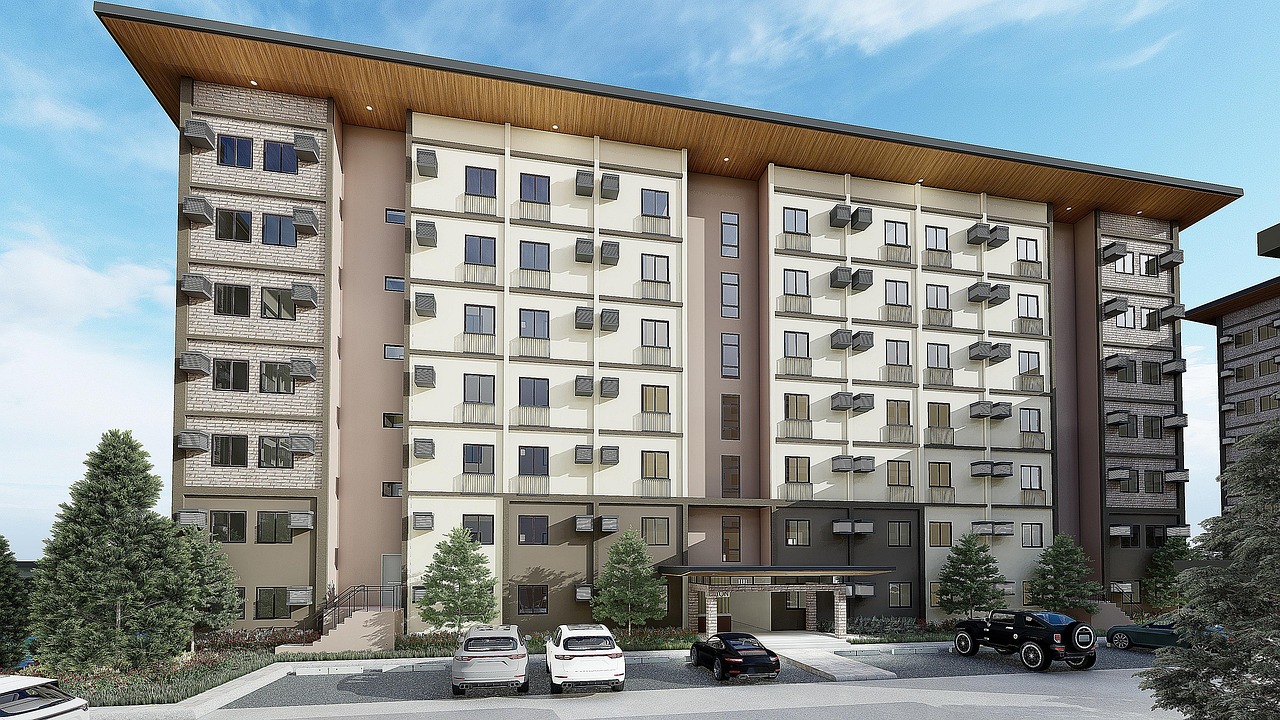
Condo Financing Is Changing in 2026 — Here's What Every Buyer, Seller, and Agent Needs to Know
The Biggest Overhaul of Condo Financing in a Decade — And Most Buyers Have No Idea It Happened
If you're buying a condo, selling one, or own a unit in a condo building, the rules just changed in ways that could directly affect whether your transaction closes — and at what cost.
On March 18, 2026, Fannie Mae and Freddie Mac released coordinated policy updates that represent the most significant overhaul of condominium lending standards in years. Some changes took effect immediately. Others took effect August 3, 2026. And one of the most impactful changes hits on January 1, 2027 — which isn't far away.
Most buyers and sellers don't hear about these changes until they're already under contract and something goes wrong. This post is designed to change that.
Why These Changes Happened
The regulatory push traces directly back to June 24, 2021, when the Champlain Towers South condominium in Surfside, Florida collapsed, killing 98 people. Post-collapse investigations revealed what investigators described as long-standing structural deterioration, documented but unaddressed deferred maintenance, and chronically underfunded HOA reserves — a building that looked fine on the surface but was financially and structurally compromised for years.
In response, Fannie Mae and Freddie Mac began requiring lenders to take a much closer look at condo buildings before approving loans. The 2026 updates are the latest and most sweeping round of those requirements.
For years, a process called Limited Review allowed buyers — particularly those making larger down payments — to get approved with minimal scrutiny of the HOA's financial health. A lender could approve the loan without examining reserve funding, delinquency rates, insurance details, or structural condition in any meaningful depth. As long as basic property data checked out, the deal moved forward.
That era is over.
Change 1: Limited Review Is Completely Eliminated
Effective: August 3, 2026 — Already in Effect
This is the most immediate change, and it's already in effect for any loan application dated August 3, 2026 or later.
Limited Review — the fast-track approval process that accounted for roughly 40% of all condo project reviews according to the Community Associations Institute — has been completely eliminated. Freddie Mac's counterpart process, called Streamlined Review, was retired the same day.
What this means in practice:
Every condo purchase now requires a Full Review, regardless of down payment size. The old workaround of putting 10% or more down to bypass HOA scrutiny is gone.
Lenders must verify the HOA's financial health on every transaction. That means reviewing reserve funding levels, insurance coverage, delinquency rates among unit owners, pending litigation, and structural condition documentation.
Issues that previously slipped through will now surface. A building with underfunded reserves, aging infrastructure, or questionable finances that might have qualified under Limited Review may now fail Full Review entirely.
Closing timelines are getting longer. Full Reviews require more documentation from HOA management companies, which are often slow to respond. Add 2–4 weeks to your closing timeline for any condo purchase going forward, and start requesting HOA documents the moment you identify a property you're serious about — not after you're under contract.
The trigger is the loan application date, not the closing date. If your application was dated before August 3, 2026, Limited Review remains available. If it's dated August 3 or later, Full Review is required.
Change 2: HOA Reserve Requirements Are Jumping from 10% to 15%
Effective: January 1, 2027
This is the change that will have the broadest long-term impact — on HOA dues, on property values, and on which buildings can be financed with a conventional mortgage.
Currently, Fannie Mae and Freddie Mac require condo associations to budget at least 10% of annual assessment income toward replacement reserves — the fund used for major capital repairs like roofs, elevators, parking structures, plumbing systems, and building exteriors. Beginning January 1, 2027, that minimum jumps to 15%.
Why this matters so much: reserves are a building's financial safety net. Chronically underfunded reserves are how buildings end up with deferred maintenance problems that eventually become catastrophic — and unaffordable. The Surfside building was a stark example of what happens when a condo association kicks those costs down the road for too long.
Here's the practical impact:
Buildings that fall below 15% will lose warrantable status. "Warrantable" means the building qualifies for conventional Fannie Mae and Freddie Mac financing. Lose that status and every unit in the building — not just the one being sold — becomes much harder to finance.
HOA dues will likely increase. Associations currently budgeting between 10% and 14% of assessments to reserves will need to raise contributions to comply. How much depends on each building's budget and current reserve level, but increases are coming to a significant number of communities.
Buyers need to check this before making an offer. Request the HOA's current annual budget. Find the reserve allocation line. If it's below 15%, ask the board whether they have a compliance plan in place before January 2027. If they don't, that's a red flag worth understanding before you're committed to the purchase.
Change 3: Reserve Studies Must Use the Highest Recommended Funding Level
Effective: August 3, 2026 — Already in Effect
This is a more technical change, but it has significant financial implications for HOA communities across the country.
Reserve study companies typically provide multiple funding scenarios when they conduct an assessment: a baseline level (the bare minimum needed to avoid insolvency), a threshold level (a moderate middle ground), and a full funding level (the amount actually recommended to maintain the building properly over time).
For years, many HOA boards have deliberately chosen the baseline funding option to minimize the reserve contribution line in the budget — keeping monthly dues artificially lower in the short term. The financial discipline of setting aside what the building actually needs gets traded for the appearance of lower operating costs.
As of August 3, 2026, both Fannie Mae and Freddie Mac require reserve studies to follow the highest recommended funding level — not the lowest. Additionally:
The reserve study must be completed within the last 36 months. A study older than three years is considered unreliable and forces the building to meet the standard 15% budget requirement or face ineligibility.
Buildings using baseline funding will need to update their approach. This means higher reserve contributions, which means higher HOA dues.
What to check before closing: Ask for the reserve study. Confirm it was completed within the last 36 months. Confirm it uses full funding recommendations, not baseline. If either condition isn't met, the building may already have a financing problem.
What Happens When a Building Fails the New Requirements
When a condo building fails to meet these standards — whether because reserves are underfunded, the reserve study is outdated, the HOA has too many delinquent unit owners, insurance is inadequate, or any other qualifying factor — it becomes what the industry calls non-warrantable.
Non-warrantable means conventional financing backed by Fannie Mae or Freddie Mac is no longer available for any unit in that building. The impact cascades across every owner in the community, not just the one trying to sell:
Buyers are limited to portfolio loans — loans kept by lenders rather than sold to the secondary market. These loans typically carry higher interest rates and require larger down payments, often 20–30%.
The pool of eligible buyers shrinks dramatically. Most buyers need conventional financing. Remove that option and you've eliminated a large percentage of the market from being able to purchase in that building.
Property values decline. A 2025 survey by the Community Associations Institute found that 64% of condo communities deemed ineligible for conventional financing said the denial hurt home sales and property values in their community.
Sellers can lose deals mid-transaction. If a building loses warrantable status between contract and closing — because a new full review surfaces a disqualifying issue that Limited Review previously missed — the buyer's financing can fall apart with no recourse.
It's worth noting that not all the changes work against buyers. The old rule that made buildings non-warrantable when more than 50% of units were investor-owned has been eliminated. Urban high-rises and mixed-use buildings in cities like Phoenix, Scottsdale, and Las Vegas that were previously blocked from conventional financing because of investor concentration can now qualify again — which expands options in markets where that limit was a significant constraint.
What You Should Do Right Now
If you're buying a condo:
Ask your lender and your real estate agent to request the HOA documents before you go under contract — not after
Verify the reserve funding percentage in the current annual budget
Confirm the reserve study is less than 36 months old and uses full funding recommendations
Ask about any pending litigation, special assessments, or delinquency issues
Budget 2–4 additional weeks into your closing timeline
Work with a broker who understands how to navigate Full Review requirements and has access to multiple lenders — because if conventional financing falls through, options still exist
If you own a condo:
Talk to your HOA board now and ask where reserve funding stands relative to the new 15% requirement
Ask whether the reserve study is current and what funding level it uses
Understand that your ability to sell your unit at full market value depends in part on your building maintaining warrantable status
If your building is currently non-compliant, get ahead of it — boards that wait until 2027 will have less time and fewer options
If you're a real estate agent with condo clients:
Know your buildings — non-warrantable status can collapse a deal at the worst possible moment, and discovering it after an accepted offer is a very difficult position for everyone
Make HOA document review part of your standard buyer process before offers are written
Partner with a mortgage broker who has access to both conventional and non-conventional lenders, so you have options if a building has issues
Working With a Broker Who Knows How to Navigate This
These changes create real complexity. A building that qualified last month may not qualify today. A deal that looks clean at the offer stage may hit problems during Full Review. And a buyer who's pre-approved for a conventional loan needs to understand that approval is for the borrower — not necessarily for any specific building they choose.
As an independent mortgage broker with access to 180+ wholesale lenders, I can do something a retail bank can't: when conventional financing runs into a problem, I have options. Portfolio lenders, non-QM programs, and lenders with more flexible condo guidelines than Fannie and Freddie give my clients a path forward even when a building doesn't check every box.
If you're buying, selling, or currently own a condo and have questions about how these changes affect your situation — reach out before you're under contract. The conversation is free, and having the right information early is worth a lot more than trying to solve problems with a closing date looming.
Call or text: 844-786-1865
Email: [email protected]
Schedule a free consultation: optimizedhomeloans.com/schedule-a-call
Peter Seroter | Independent Mortgage Broker | NMLS #997692
Optimized Home Loans, powered by Barrett Financial Group | NMLS #181106 | Equal Housing Lender
Licensed in AZ, AK, CA, FL, IN, OH, VA, WA, WY
This post is for educational and informational purposes only. Loan program guidelines, eligibility requirements, and effective dates are subject to change. The changes referenced in this post reflect Fannie Mae Lender Letter LL-2026-03 and Freddie Mac Bulletin 2026-C as understood at the time of publication. Consult a licensed mortgage professional for guidance specific to your situation.
